
Lower Back Pain & Sciatica Treatment in Penrith: A Complete Physio Guide
If you’ve ever bent down to pick something up and felt your back “lock,” or woken up unable to stand up straight without wincing, you already know how quickly lower back pain can take over your life. It affects how you sleep, how you work, how you play with your kids, and even how you sit through a meal.
At I Fix Physio in Penrith, lower back pain and sciatica are two of the most common reasons people walk through our doors. The good news? Most back pain isn’t a life sentence. With the right assessment and a targeted treatment plan, the vast majority of people make a full recovery without surgery or long-term medication.
This guide breaks down what’s actually causing your pain, when sciatica is involved, and how a physiotherapist in Penrith can help you get back to normal life.
Why Is Lower Back Pain So Common?

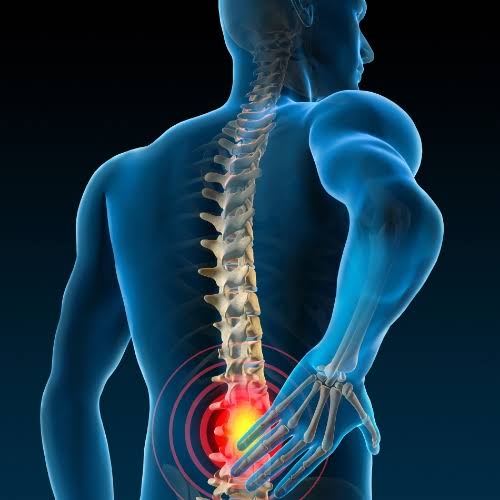
Your lower back (lumbar spine) carries the weight of your entire upper body and absorbs load every time you walk, bend, twist, or lift. It’s a hardworking part of your body, which is exactly why it’s so vulnerable to strain.
Common contributors we see in our Penrith clinic include:
- Prolonged sitting — office workers and drivers who spend long hours in the same position
- Manual and trade work — repetitive lifting, twisting, or awkward postures on the job
- Poor lifting technique — especially under fatigue or with heavy loads
- Weak core and glute muscles — leaving the spine to absorb more load than it should
- Previous injury — an old strain that never fully rehabilitated
- Sudden increase in activity — weekend warriors jumping into sport or gym training too fast
- Pregnancy and postnatal changes — shifting posture and loosened ligaments
Most lower back pain is classified as “non-specific,” meaning it’s caused by how the muscles, joints, discs, and nerves of the spine are moving and loading together — not by anything seriously wrong with the structure itself. That’s actually reassuring news, because it means the pain is very treatable with movement-based physiotherapy.
Lower Back Pain vs Sciatica: What’s the Difference?
People often use “sciatica” and “back pain” interchangeably, but they’re not the same thing.
Lower back pain is usually felt as an ache, stiffness, or sharp pain localised to the lumbar region. It might spread slightly into the buttocks but doesn’t typically travel further.
Sciatica happens when the sciatic nerve — which runs from your lower back, through your buttock, and down the back of your leg — becomes irritated or compressed. This can cause:
- Pain that travels down one leg, sometimes past the knee
- Numbness, tingling, or pins-and-needles in the leg or foot
- A burning or electric-shock type sensation
- Weakness in the leg or difficulty pushing off the foot
- Pain that worsens with sitting, coughing, or sneezing
Sciatica is often triggered by a disc bulge, spinal stenosis, or muscle tightness (such as in the piriformis) placing pressure on the nerve. It requires a slightly different treatment approach to general back pain, which is why an accurate physio assessment matters.
When Should You See a Physio for Back Pain?
Don’t wait until you’re stuck in bed. Early treatment generally leads to faster, more complete recovery. You should book an appointment with our Penrith physiotherapy team if you’re experiencing:
- Back pain that hasn’t improved after a few days of rest
- Pain that radiates into your leg or foot
- Numbness, tingling, or weakness in your leg
- Pain that disrupts your sleep or daily function
- Recurring episodes of “putting your back out”
- Stiffness that limits bending, twisting, or standing up straight
Seek urgent medical attention if you experience loss of bladder or bowel control, saddle numbness, or rapidly worsening leg weakness — these are rare but require immediate assessment.
How I Fix Physio Assesses and Treats Back Pain in Penrith
1. Thorough Assessment
We start by understanding your pain: how it started, what makes it better or worse, and how it’s affecting your day-to-day life. We assess your posture, spinal movement, muscle strength, and nerve function to identify exactly what’s driving your symptoms — not just where you feel it.
2. Hands-On Treatment
Depending on what we find, treatment may include:
- Joint mobilisation to restore normal movement in stiff spinal segments
- Soft tissue and myofascial release to ease tight, guarding muscles
- Dry needling or cupping to reduce muscle tension and improve blood flow
- Nerve mobilisation techniques for sciatica-related nerve irritation
3. A Personalised Exercise Program
Passive treatment alone rarely fixes back pain long-term. We build you a progressive exercise plan focused on:
- Core and deep spinal stabiliser strength
- Glute and hip strengthening to take load off the lower back
- Improving flexibility through the hips and thoracic spine
- Retraining safe bending and lifting mechanics
- Gradually returning you to sport, gym, or manual work
4. Education and Prevention
We’ll explain what’s actually going on in your back in plain English, correct habits that may be contributing to flare-ups, and give you practical strategies — desk setup, sleeping positions, lifting techniques — to reduce the chance of it coming back.
Simple Things You Can Try at Home (Alongside Physio Care)
- Keep moving. Gentle walking is usually better than bed rest for most back pain.
- Avoid prolonged sitting. Stand up and move every 30–45 minutes.
- Apply heat to ease muscle tension, or ice if there’s acute inflammation.
- Sleep with support, such as a pillow between your knees if you sleep on your side.
- Avoid twisting while lifting — turn your feet, not just your spine.
These can help take the edge off, but they don’t replace a proper assessment, especially if pain is spreading down your leg or not improving.
Why Choose I Fix Physio in Penrith?
We’re a local physiotherapy clinic that understands the Penrith community — from tradies and warehouse workers dealing with lifting injuries, to parents managing pain from carrying kids, to weekend athletes pushing themselves at the local footy oval or gym. Our physiotherapists provide:
- Evidence-based, one-on-one treatment (no rushed, cookie-cutter sessions)
- Support for Medicare GP Care Plans, NDIS, and workers’ compensation claims
- Treatment plans tailored to your body, your job, and your goals
- A friendly, conveniently located clinic right here in Penrith, NSW
Frequently Asked Questions
How long does lower back pain usually take to heal?
Many episodes of acute back pain improve within a few weeks with the right treatment and activity modification. Chronic or recurring pain may take longer but still responds well to a structured physio program.
Do I need a GP referral to see a physio?
No, you can book directly with I Fix Physio. If you have a Medicare GP Care Plan or workers’ compensation claim, we can work alongside your referral.
Is exercise safe if my back already hurts?
In most cases, yes — the right type and amount of movement, guided by a physiotherapist, actually speeds up recovery rather than slowing it down.
Can physiotherapy help sciatica without surgery?
Yes. The majority of sciatica cases improve significantly with targeted physiotherapy, and surgery is rarely the first line of treatment.
Book Your Back Pain Assessment in Penrith Today
You don’t have to keep working around your back pain. Our experienced physiotherapists are here to find out what’s really going on and build a clear path back to moving freely.
Book an appointment online or call us on 0420 354 203 / 02 4967 9041 to speak with our Penrith physio team today.